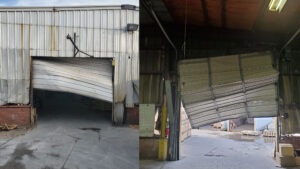

Commercial garage doors take a beating that a house door never sees. A loading dock door might cycle dozens of times a day; an overhead door at a warehouse or distribution center might run around the clock. That kind of use wears components on a very different timeline than a residential door, and knowing when to repair a part versus replace it can be the difference between a quick maintenance call and unplanned downtime.
This guide covers the components that wear out first on commercial garage doors: cables, springs, rollers and tracks, and sensors/openers. It explains what typically fails first and when it makes sense to repair instead of replace.
Commercial garage door component lifespan depends heavily on cycle count, environment, door weight, and maintenance. Cables may last 7 to 10 years on lower-cycle doors but wear faster on busy commercial doors. Springs are commonly rated around 10,000 cycles, while sensors and openers often last about 10 to 15 years. Rollers and tracks depend more on use, alignment, damage, and service history than a fixed calendar number.
Why Routine Maintenance Matters for Commercial Garage Doors
A commercial garage door is part of daily operations, which also means it is easy to ignore until something stops working. A door that will not close at the end of the day is a security problem. A door that will not open on time is a productivity problem. Either one gets expensive fast.
Routine inspection catches wear before it becomes a breakdown. On a door that cycles as often as a commercial one does, a small issue this month can turn into a stuck door next month, and a stuck door on a loading dock or warehouse bay is not a minor inconvenience. A planned commercial door routine maintenance program helps keep these repairs scheduled instead of urgent.
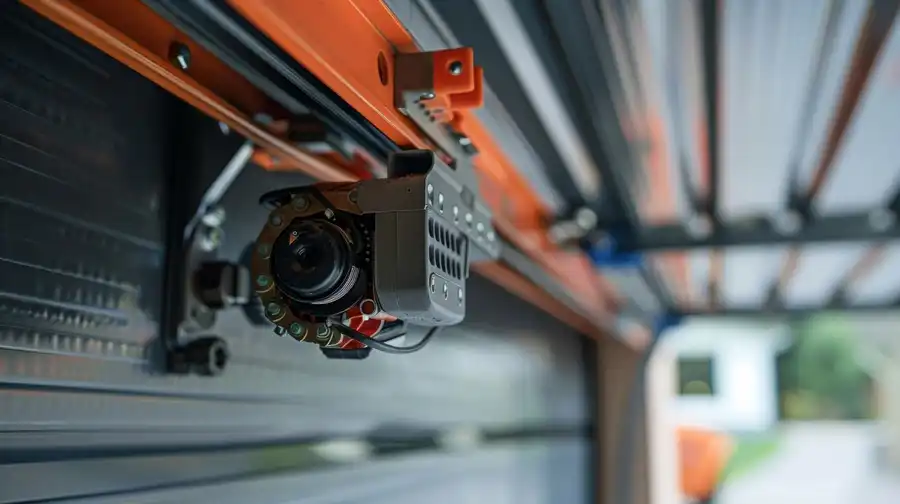
RCI Doors™ can inspect cables, springs, rollers, tracks, sensors, and openers before component wear turns into downtime.
Cables
Cables carry the door weight alongside the springs, holding tension as the door opens and closes. On a residential door with a couple of cycles a day, cables commonly last 7 to 10 years. On a high-cycle commercial door, that same wear can show up well before that window closes, since the cables are doing the same job many more times per day.
Signs of Wear and Tear
- Fraying or rust: Visible frays, rust, or kinks mean the cable integrity is already compromised.
- Uneven door movement: One side rising faster than the other, or the door moving roughly, often points to a cable problem.
- Loud squeaking noises: A cable that needs lubrication, or one that is simply worn out, tends to squeak or grind before it fails.
On a door that runs all day, these signs are worth catching on a maintenance schedule rather than waiting for a complaint from staff.
Repair vs Replace
Minor fraying or light rust, caught early, is often a lubrication-and-clean job. Once the damage is significant, replacement is the safer call. A frayed cable on a high-cycle commercial door does not give much warning before it lets go, and a sudden cable failure on a heavy commercial door section is a real safety hazard.
Garage Door Springs
Springs do the actual lifting, counterbalancing the door weight so the opener is not doing all the work. The standard industry benchmark is roughly 10,000 cycles before replacement, which works out to about 7 to 10 years for a typical residential door opening a handful of times a day. A commercial bay door that cycles dozens of times daily can burn through that same 10,000 cycles in a fraction of the time, which is why commercial spring replacement tends to run on a shorter calendar interval even though the underlying cycle-based standard is identical. DASMA lists technical data sheets for garage door and commercial door components, including factors affecting spring cycle life.
Signs of Wear and Tear
- Visible gaps in the coils: A gap between coils is a broken spring, not a wearing one.
- Sagging when open: A door that sags or sits unevenly when partway open usually means the springs are losing tension.
- A loud bang: A sudden bang from the door assembly is a common sign of a spring letting go.
Repair vs Replace
Springs are almost always replaced rather than repaired. They are under enough tension that an improper repair is a genuine safety risk, and replacement is usually the more cost-effective path anyway. A broken or visibly stretched spring on a commercial door should be treated as a same-day issue, both for safety and because a door that cannot hold its balance cannot be used. RCI also explains related symptoms in its guide to commercial roll-up door problems and fixes.
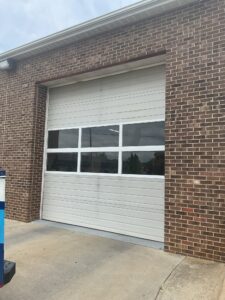
Broken springs and worn cables can make a commercial door unsafe. RCI Doors™ can inspect the system and recommend repair or replacement.
Rollers and Tracks
Rollers and tracks guide the door through its full range of motion, and on a commercial door running high daily cycles, they are under more continuous load than a residential system was ever designed to absorb. This is a component where wear tracks closely with cycle count and maintenance, more than with a fixed number of years.
RCI does not publish a blanket lifespan figure for rollers and tracks because it depends heavily on the specific door, the environment, and how consistently it has been serviced.
Signs of Wear and Tear
- Grinding noises: Grinding usually means worn rollers or a track that is out of alignment.
- Jumpy movement: A door that moves in fits and starts, rather than smoothly, points to roller or track wear.
- Visible damage: Dents, cracks, or rust on the tracks can mean the door alignment is off, or that the components are simply wearing down.
Repair vs Replace
Light rust or minor dents are often a cleaning or realignment job. Flat-spotted rollers or severely bent tracks are a replacement call, since a misaligned or damaged track puts uneven stress on everything else the door depends on, including the cables and springs. If the same issues keep returning, the hidden cost can look a lot like reactive commercial door maintenance.
Sensors and Openers
Sensors and openers handle both safety and daily convenience, and they typically hold up for about 10 to 15 years regardless of whether the door is residential or commercial. Their wear is driven more by age, electronics, and environment than by cycle count the way springs and cables are.
Signs of Wear and Tear
- Inconsistent operation: A door that opens and closes erratically, or does not respond at all, points to an opener nearing the end of its life.
- Flickering or faulty sensors: Misaligned or dirty sensors often show up as a blinking light and a door that will not close.
- Noisy operation: An opener making unusual noise is often either worn out or in need of repair.
Repair vs Replace
Minor issues, like a misaligned sensor or a loose connection, are often a straightforward repair. An opener that is outdated, loud, or inconsistent is usually more cost-effective to replace with a current model, especially on a door that a business depends on every operating day. For operator-related planning, RCI supports commercial motor operators and related door controls.
Repair or Replace: How to Make the Call
Understanding how long each component is built to last, and recognizing the signs that it is reaching the end of that life, keeps a repair decision simple instead of urgent. Regular inspection of cables, springs, rollers, tracks, sensors, and openers catches most problems while they are still a scheduled fix rather than an emergency one.
If you are not sure whether a component needs repair or replacement, RCI Doors™ can help. Contact us for commercial garage door repair and replacement service built around how your doors actually get used. If the door is part of a warehouse or dock opening, RCI can also inspect related loading dock equipment while reviewing the opening.
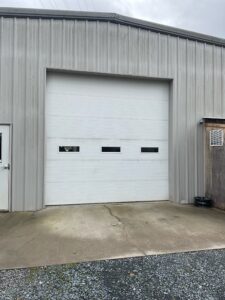
RCI Doors™ can help decide whether worn cables, springs, rollers, tracks, sensors, or openers should be repaired or replaced.
For businesses asking about the depreciable life of a garage door, the correct answer depends on the installation, accounting treatment, and tax situation. The IRS explains depreciation for business property in Publication 946, but your accountant or tax advisor should confirm the right treatment for your company.
Commercial door component life is driven by cycles, environment, and maintenance. Calendar age matters, but the best repair-or-replace decision comes from inspecting how that specific door is being used every day.
RCI Doors™ helps commercial facilities inspect, repair, replace, and maintain overhead door components before avoidable downtime disrupts operations.